

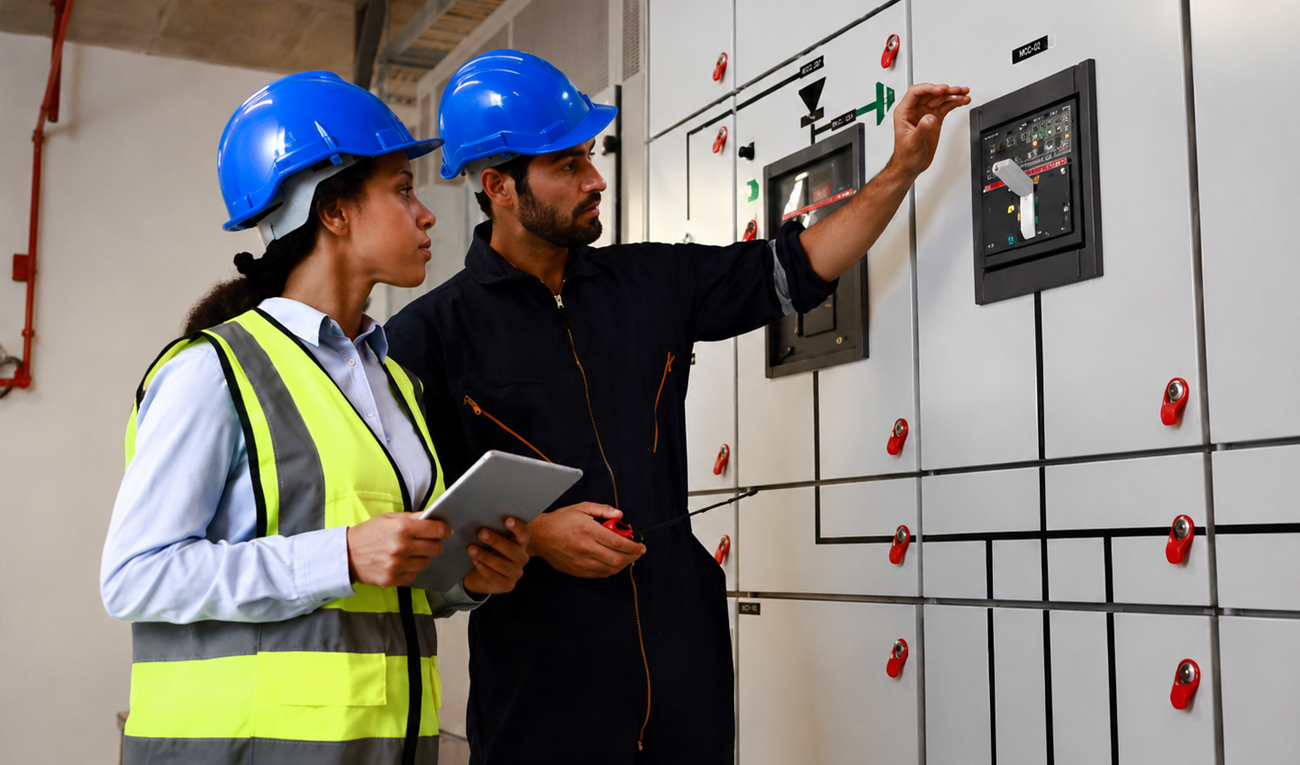
How Fire Inspections Reveal Risks
Many buildings across Melbourne carry fire safety risks that are completely invisible to the untrained eye. Unsealed penetrations, degraded fire-rated materials, and missing documentation can all compromise a building’s passive fire protection system without anyone realising, until it is too late. Firestop conducts professional fire inspections and audits that surface these risks accurately, giving building owners and managers the information they need to achieve genuine compliance and protect everyone inside.
Key Takeaways
- Fire inspections do not just assess active systems like sprinklers and alarms, they evaluate passive fire protection elements that are often invisible once a building is complete.
- Penetration seals around pipes, cables, and ducts are one of the most commonly deficient elements found in Australian commercial and residential buildings.
- Incomplete or absent penetration registers expose building owners to significant compliance and legal liability under Victorian building regulations.
- A professional fire inspection produces documented findings that can be used to prioritise remediation, satisfy regulators, and support insurance obligations.
What Fire Inspections Actually Look For
Most people think of fire safety in terms of smoke alarms, sprinkler systems, and emergency lighting. These are active fire protection measures, they respond when a fire occurs. But a significant portion of a building’s fire safety depends on passive fire protection: the materials, seals, and structural elements that contain fire and smoke within defined zones, slowing its spread and preserving evacuation routes.
Passive fire protection is built into a structure during construction. It is largely invisible once walls, ceilings, and floors are finished. And because it is invisible, its degradation or absence often goes completely undetected until a formal inspection reveals what is actually there, or what is missing.
A professional fire inspection and audit examines:
- Fire-stopping systems at every penetration point where services, pipes, cables, ducts, and conduits, pass through fire-rated walls and floors
- Fire-rated bulkheads and enclosures around service risers and mechanical equipment
- The integrity of fire-rated wall and ceiling assemblies throughout the building
- The accuracy and completeness of the penetration register, the documented record of every penetration and the seal used
- Compliance with Australian Standards and the National Construction Code requirements applicable to the building type and age
Building owners in Victoria are legally responsible for ensuring that essential safety measures, including passive fire protection elements, are maintained in working condition at all times. Regular inspections are the primary mechanism for demonstrating that this obligation is being met.
The Most Common Risks Fire Inspections Reveal
In practice, the same types of deficiencies appear repeatedly across commercial and multi-residential buildings in Melbourne. Understanding what inspectors commonly find helps building managers understand where the risks in their own properties are most likely to exist.
1. Unsealed or Incorrectly Sealed Penetrations
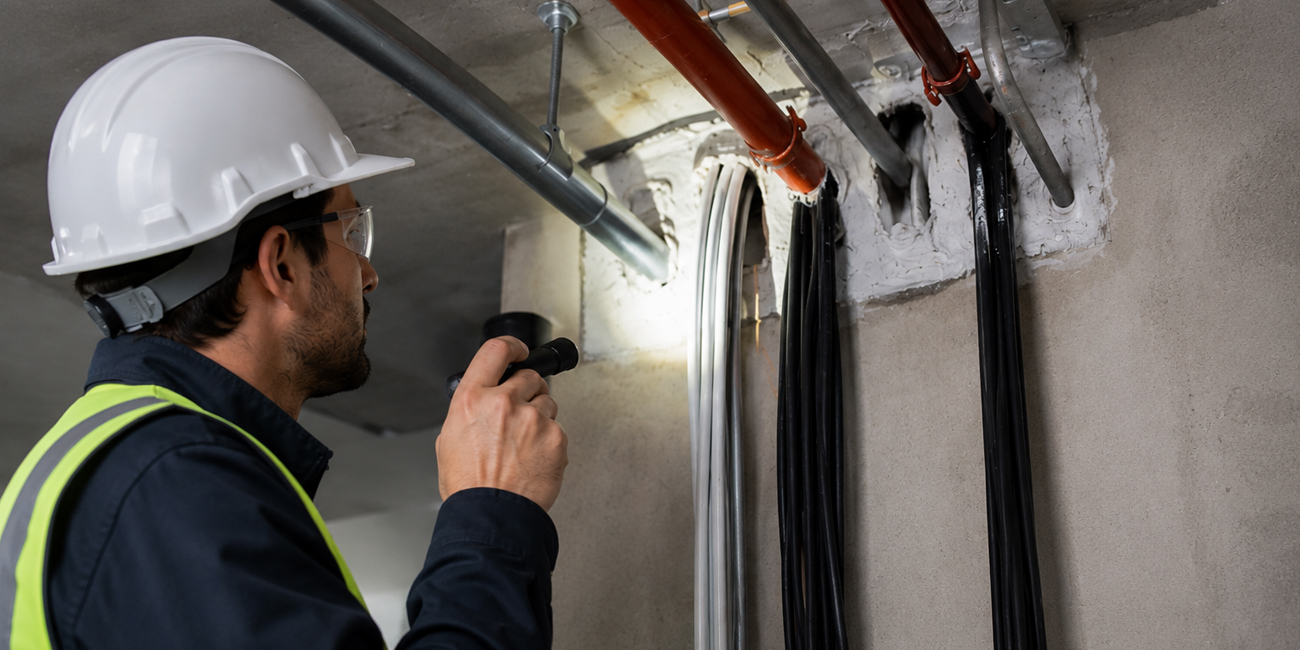
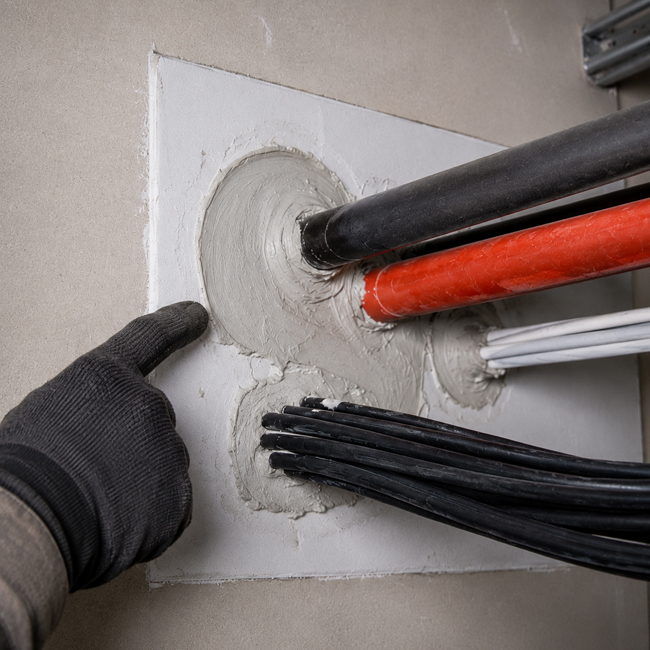
Every time a pipe, cable, or duct passes through a fire-rated wall or floor, a certified fire-stopping system must be installed to restore the fire resistance of that assembly. In practice, this is one of the most frequently compromised elements in any building.
Penetrations are created during construction, renovation, and maintenance work. When trades install services after the fire-rated structure is complete, a common sequence in building projects, penetrations are sometimes left unsealed or sealed with non-compliant materials that do not meet Australian Standards.
Unsealed penetrations as the most prevalent passive fire protection deficiency found across audits of commercial buildings in Australian capital cities.
2. Damaged or Deteriorated Fire-Stopping Products
Fire-stopping materials include intumescent compounds, fire-rated sealants, collars, pillows, and boards. Over time, these materials can be damaged by building movement, moisture ingress, maintenance work, or simply the passage of time. Physical damage to a fire-stopping product may not compromise its appearance in any obvious way, but it can significantly reduce its ability to perform in a fire event.
3. Post-Construction Modifications Without Re-Instatement
Renovations, fit-outs, and maintenance work regularly involve penetrating fire-rated structures to add new services or modify existing ones. If the fire-stopping system is not reinstated after this work, or if it is reinstated incorrectly by unqualified trades, the fire resistance of the entire assembly is compromised.
Post-construction modification without adequate passive fire protection reinstatement as one of the leading contributing factors in fire containment failures in multi-storey commercial buildings.
4. Missing or Incomplete Penetration Registers
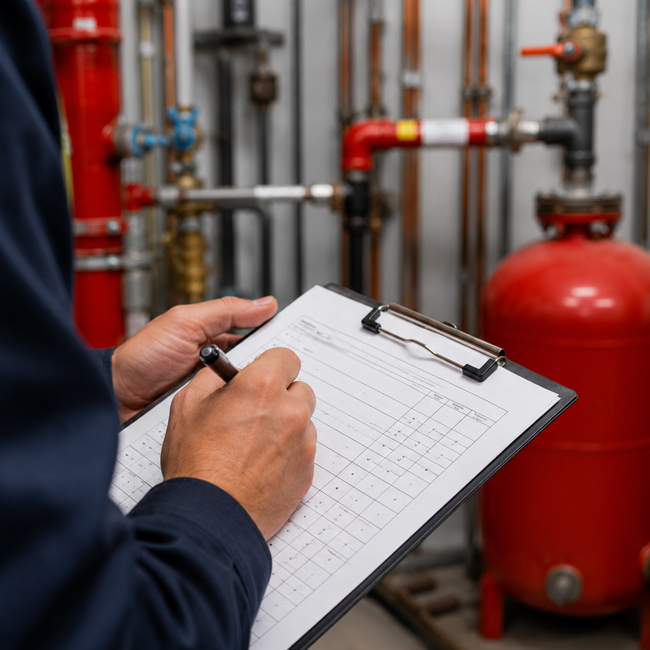
A penetration register is the documented record of every service penetration in a building, including its location, the type of seal installed, the product used, and the installation date. Victorian building regulations require penetration registers to be maintained and made available to building surveyors and fire safety inspectors.
In practice, many buildings either have no penetration register at all or have registers that are significantly incomplete. This creates both a compliance exposure and a practical problem: without an accurate register, building owners cannot demonstrate that their passive fire protection systems are installed correctly and maintained.
What Happens During a Professional Fire Inspection
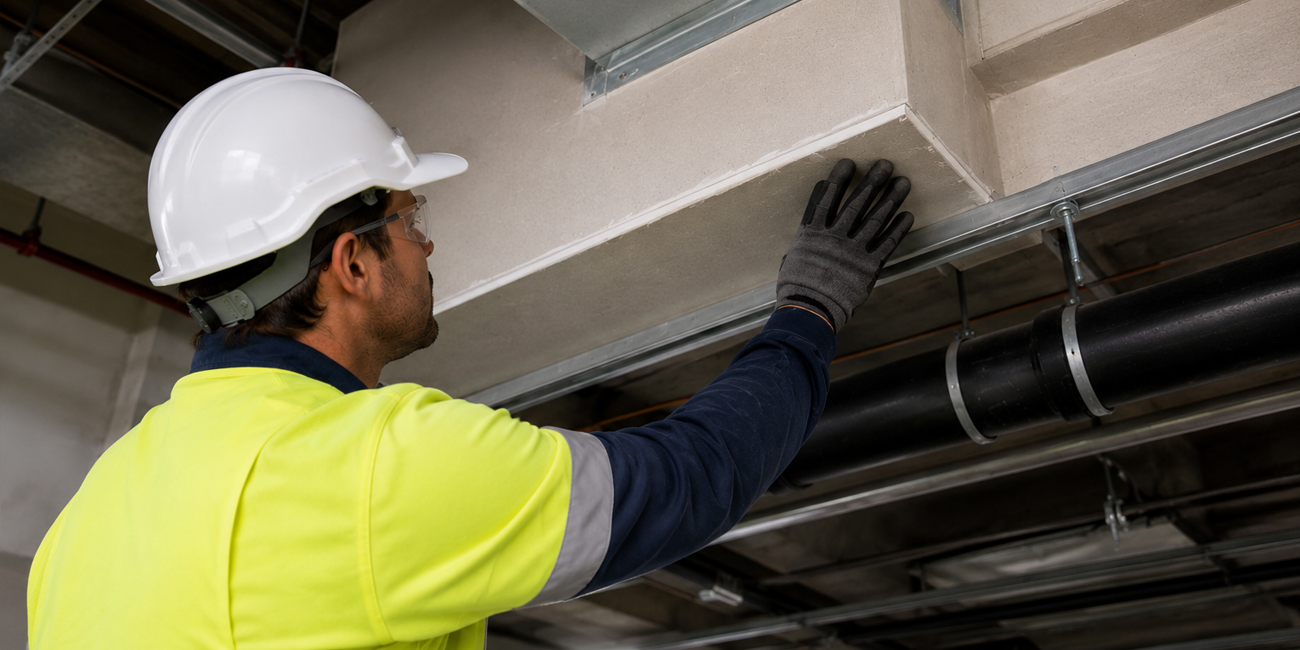
A professional fire inspection and audit by a qualified passive fire protection specialist is a structured, documented process. It is not a visual walk-through. Each penetration and fire-stopping system in the scope of the audit is physically examined, photographed, and recorded against the applicable standard.
Fire inspections and audits service at Firetstop produces a comprehensive written report that identifies every deficiency found, its location, its severity, and the remediation required to achieve compliance. This report gives building owners and facilities managers the information they need to prioritise work, engage contractors, and demonstrate due diligence to regulators and insurers.
The inspection process includes:
- Physical examination of all accessible fire-rated penetrations throughout the building
- Assessment of fire-stopping product condition against manufacturer specifications and Australian Standards
- Review and reconciliation of existing penetration register documentation against physical findings
- Photographic documentation of all deficiencies identified
- A structured written report with findings, severity classifications, and recommended remediation actions
Why Regular Inspections Matter for Compliance
Fire safety compliance in Victoria is not a one-time event. It is an ongoing obligation. The Occupational Health and Safety Act 2004 (Vic) and the Building Act 1993 (Vic) both impose ongoing duties on building owners and employers to maintain the safety of their premises.
For multi-residential and commercial buildings, essential safety measure maintenance reports are required to be completed annually by a suitably qualified person. These reports document the condition of all essential safety measures, including passive fire protection elements, and must be retained for the inspection of relevant authorities.
Building owners who cannot produce evidence of regular essential safety measure inspections face significant legal exposure in the event of a fire-related incident, regardless of whether the inspection would have identified the deficiency in question.
The Role of the Penetration Register in Fire Safety
A well-maintained penetration register is one of the most important documents a building owner can hold. It serves multiple functions:
- It provides evidence that passive fire protection systems were installed correctly and with compliant products
- It identifies every penetration in the building, enabling targeted maintenance and inspection programmes
- It supports building surveyors and fire safety inspectors during compliance assessments
- It provides critical information to emergency services about the building’s fire compartmentation layout
- It reduces the scope and cost of future audits by providing a verified baseline for inspectors to work from
For buildings that do not have a current penetration register, establishing one is often the first step in achieving genuine passive fire protection compliance. This process involves physically inspecting and documenting every penetration in the building, a task that reveals the scope of work required far more accurately than any desktop assessment.
Comprehensive, accurate documentation is the foundation of any sustainable building compliance programme, particularly for passive fire protection systems that cannot be verified through visual inspection alone.
When Should You Commission a Fire Inspection?
There are several specific situations where a fire inspection and audit is not just advisable, it is essential:
- Before purchasing a commercial or multi-residential property, to understand the compliance status of the passive fire protection systems
- After any renovation, fit-out, or maintenance work that has involved penetrating fire-rated structures
- When preparing for a building surveyor assessment or essential safety measure inspection
- When essential safety measure maintenance reports are overdue or incomplete
- When a building changes use or occupancy in a way that affects its fire rating requirements
- As part of an ongoing annual compliance programme to meet Victorian building regulations
Fire safety compliance status is increasingly included in commercial property due diligence requirements, with passive fire protection documentation specifically identified as a priority item for buyers and their advisers.
Conclusion
Fire inspections exist precisely because the risks they reveal are invisible until someone looks for them. A compliant, documented passive fire protection system protects lives, satisfies regulators, and gives building owners confidence in the safety of their property. Contact us today to arrange a professional inspection and audit for your Melbourne building, and find out exactly where you stand.
FAQs
What is passive fire protection and why does it need inspecting?
Passive fire protection includes seals, barriers, and fire-rated materials that contain fire within building zones. It requires regular inspection to confirm ongoing effectiveness.
How often should a building have a fire safety inspection in Victoria?
Victorian buildings must have essential safety measure maintenance reports completed annually by a suitably qualified person under building regulations.
What is a penetration register and is it required in Australia?
A penetration register documents every service penetration through fire-rated structures. It is required under Victorian building regulations and must be maintained.
What happens if a fire inspection finds non-compliant penetrations?
A written report is produced identifying deficiencies, their locations, and the remediation work required to restore passive fire protection compliance.
Who is responsible for fire safety compliance in a commercial building in Victoria?
The building owner is legally responsible for maintaining essential safety measures, including passive fire protection systems, under the Building Act 1993 (Vic).
Can fire-stopping deficiencies affect building insurance in Australia?
Yes. Insurers may reduce or deny claims if fire-stopping deficiencies contributed to a fire loss and the owner cannot demonstrate compliance due diligence.

