

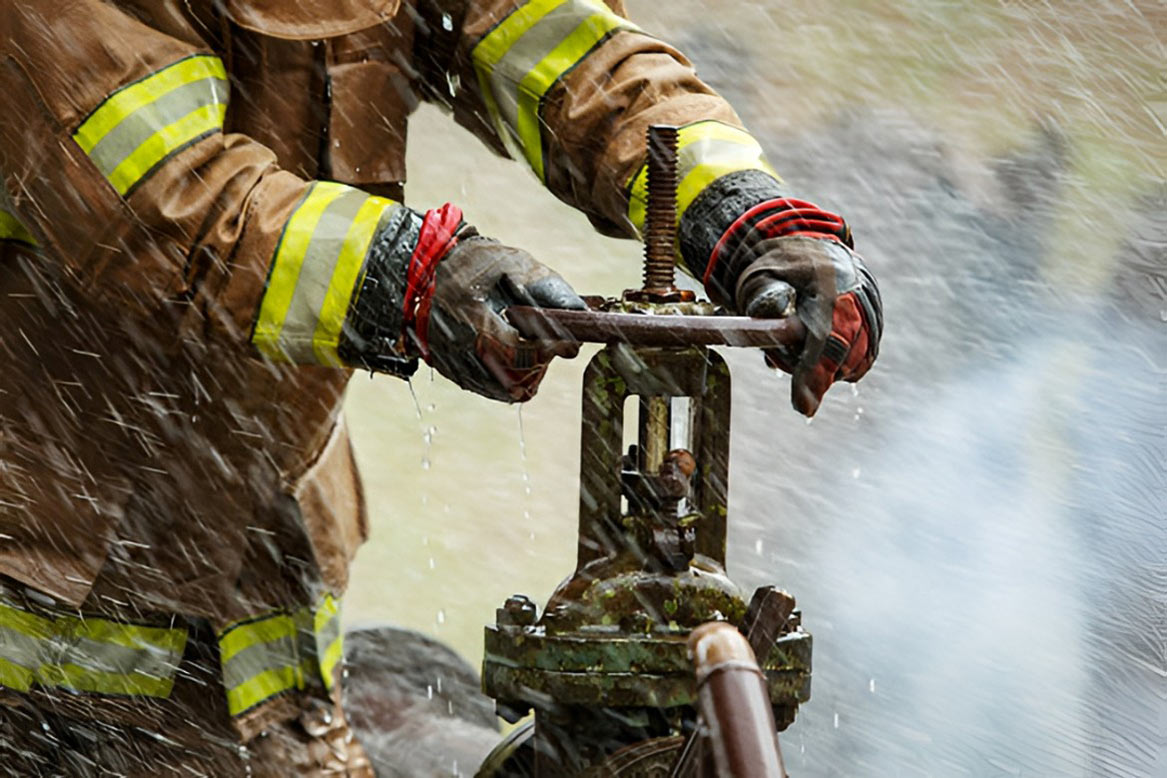
Fire Stopping for Pipes and Plumbing Services
A pipe is a small thing to trust with so much responsibility. Every time one crosses a fire rated wall, it leaves a gap that fire can exploit if nobody seals it properly. Firestop deals with exactly this problem across Melbourne, day in and day out. This guide looks at why plumbing penetrations matter so much, what proper fire stopping involves, and what to check before signing off on a job.
Table of Contents
Table of Contents
Key Takeaways
- Every pipe through a fire rated wall or floor needs a tested seal.
- Metal and plastic pipes behave differently in a fire and need different systems.
- 4 and AS4072.1 govern how these seals are tested and rated.
- Poor documentation is as risky as poor installation during an audit.
- Only trained, accredited installers should be sealing plumbing penetrations.
Why Plumbing Penetrations Are a Fire Risk
Plumbing is everywhere in a modern building, and that’s precisely the issue. Hot water lines, stormwater pipes, gas lines and sewer stacks all need to travel from one level to another, which means punching through walls and floors that are meant to hold a fire back. Each of those holes, unless it’s sealed with a tested system, becomes a shortcut for flame, heat and smoke.
This isn’t a theoretical concern. Research from the Victorian Building Authority found that improperly sealed service penetrations, including plumbing, remain one of the most common defects found during building inspections. A gap the width of a finger around a pipe is often all it takes to compromise an otherwise sound fire rated wall.
How Fire Stopping Works Around Pipes
The right fire stopping solution depends on the pipe material, its diameter, and what’s on either side of the wall or floor. Common approaches include:
- Intumescent collars, which expand under heat and crush plastic pipes shut before flame can pass through.
- Fire rated sealants and mortars, packed around the pipe to close the annular gap.
- Fire wraps, wound around the pipe itself to insulate it from rising temperature.
- Cast in devices, fitted before the concrete is poured for a cleaner, more durable seal.
At Firestop, fire stopping of service penetrations work covers all of these, and the right approach on any given job usually comes down to what the tested system specifies rather than personal preference. A design that hasn’t been through an actual fire test is a guess, not a solution.
Metal Pipes Versus Plastic Pipes
Metal pipes and plastic pipes fail in very different ways once heat is applied, so it makes sense that they’re treated differently. Metal pipes conduct heat along their length, which can warm the far side of a wall even if the pipe itself doesn’t burn through. Plastic pipes, particularly PVC, soften and can melt away entirely, leaving an open channel unless an intumescent collar is there to close the gap as it happens.
A well documented technical position on this, drawing on the same testing principles our industry relies on, is set out in UNSW’s own hydraulic services design standard, which spells out sealing requirements for every pipe penetration on campus. It’s a useful reminder that these rules apply just as strictly to institutional buildings as they do to apartment towers.
The Standards Behind Every Seal
Every credible fire stopping product for plumbing has been tested against AS1530.4, the standard fire resistance test, and installed according to AS4072.1, which governs how penetrations and control joints are protected. Guidance published by Engineers Australia makes the point that anchorage and support around these penetrations matters just as much as the seal itself. A collar fitted to a pipe that isn’t properly supported can still fail under fire load.
Mechanical services engineers tend to know this well, and a feature in Ecolibrium, AIRAH’s official journal covered exactly this kind of reform, arguing that fire safety needs to be treated as a design discipline rather than an afterthought bolted on at the end of a project. Further analysis from Sourceable reached a similar conclusion, pointing to apartment defect data where fire safety issues were consistently among the most common problems identified after handover.
Common Mistakes We See on Plumbing Jobs
A few patterns turn up again and again when we inspect existing plumbing penetrations:
- Pipes wrapped in insulation without accounting for the extra clearance a collar needs.
- Gaps packed with builder’s foam or expanding sealant that has no fire rating at all.
- Multiple pipes crammed through one opening with no space for a tested multi penetration system.
- Penetrations sealed before final pipe testing, then disturbed and never resealed.
Industry publications track this pattern closely too. Reporting from Building Connection quoted a manufacturer warning that many systems sold in Australia were tested decades ago and don’t reflect current building practice. Coverage in Plumbing Connection magazine has also tracked how NCC updates keep reshaping what plumbers need to know before their pipework ever reaches a fire rated wall.
Keeping Records and Staying Compliant
Sealing the pipe correctly is only half the job. Building owners also need proof it was done, and done to the right standard. Recent reporting by HVAC&R News outlined how NSW has tightened its maintenance obligations under AS1851, bringing the state into line with requirements already common elsewhere in Australia. Master Plumbers’ own reporting has raised similar points about the range of inspection and certification models used for passive fire installations, noting how inconsistent practice across the industry makes clear documentation even more important.
There’s a cost dimension too. Risk analysis found that fire safety has shifted from a one off compliance exercise into an ongoing operational risk, with insurers increasingly scrutinising how well penetrations, including plumbing ones, are documented and maintained.
Conclusion
Every pipe crossing a fire rated wall is a small decision with a large consequence if it’s ignored. Getting it right protects lives, property and your legal position all at once. If you’d like your plumbing penetrations checked or sealed properly, get in touch with our team for a straightforward assessment and a clear plan to bring your building up to standard.
FAQs:
Do all pipes need fire stopping where they cross a wall?
Yes, any pipe passing through a fire rated wall or floor needs a tested seal to maintain the barrier's rating.
What's the difference between fire stopping and pipe insulation?
Insulation manages heat loss and condensation, while fire stopping seals the gap to stop fire and smoke spreading.
Can plastic pipes be fire stopped as effectively as metal ones?
Yes, with the right intumescent collar, which closes as the pipe softens, plastic pipes can meet the same fire rating.
How often should plumbing penetrations be inspected?
Most Australian jurisdictions now require annual inspection under AS1851 as part of essential safety measures.
Who is qualified to install fire stopping around pipes?
Only trained, accredited passive fire installers should carry out this work to keep it compliant and traceable.
What happens if a pipe penetration isn't properly sealed?
An unsealed penetration can let fire and smoke spread rapidly, undermining the whole building's fire safety strategy.

